



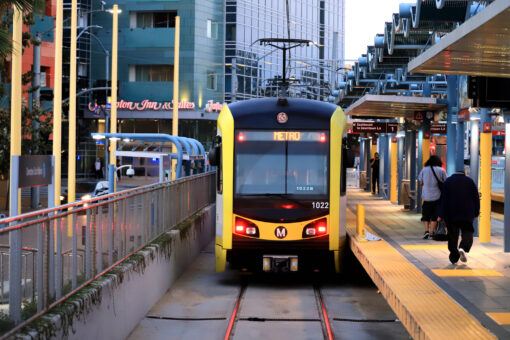
Train and light rail accidents can cause devastating injuries, and claims against transit agencies follow different rules than a typical car crash case. If you were hurt on or near a rail line in Culver City, where Metro E Line service runs, the most important thing to know is that strict deadlines can apply. Acting quickly can protect your right to compensation and give your attorney time to gather evidence before it disappears.
Why Are Public Transit Claims Different?
Metro and similar agencies are public entities. Under California law, a claim against a government entity generally must begin with a formal government claim before a lawsuit can be filed. For personal injury, that claim is typically due within six months of the incident, far shorter than the standard two-year window that applies to many other injury cases. If the agency denies your claim or does not respond, you may then be able to file a lawsuit, but only within limited time frames. Missing the first deadline can end your case before it starts.
What Types of Rail Accidents Cause Injury?
Rail incidents take many forms, and each raises different questions about fault. Common examples include:
- Collisions between trains and vehicles at street crossings
- Pedestrians or cyclists struck near tracks or platforms
- Falls on platforms, stairs, or while boarding and exiting
- Sudden stops, collisions, or derailments that injure passengers
- Accidents caused by poor maintenance, faulty signals, or malfunctioning gates
Injuries from these events can be severe, including broken bones, head trauma, and spinal cord damage.
Who Can Be Held Responsible?
More than one party may share liability in a rail accident. Depending on the facts, responsibility could rest with:
- The transit agency or rail operator
- A private contractor responsible for maintenance or construction
- A negligent driver at a crossing
- A manufacturer of defective equipment or safety systems
California follows a comparative fault rule, which means you may still recover compensation even if you were partly responsible. Your recovery is reduced by your share of fault. Identifying every responsible party can increase the compensation available.
What Compensation May Be Available?
Depending on your case, a claim may include:
- Current and future medical expenses
- Lost wages and reduced earning capacity
- Pain and suffering
- Property damage
- Damages for families when a loved one is killed in an accident
What Evidence Should I Preserve?
Rail agencies control much of the key evidence, including onboard video, maintenance logs, and operator records. You can help protect your claim by:
- Reporting the incident to agency staff and requesting a copy of the report
- Photographing the scene, signage, and your injuries
- Saving tickets, transit passes, or payment records that show you were a passenger
- Getting contact information from witnesses
- Keeping all medical records and bills
An attorney can send preservation requests so that critical records are not lost or discarded.
Should I Talk to the Transit Agency or Its Insurer?
Be careful. Statements made early can be used to limit your claim, and public entities have their own legal teams. It is reasonable to get medical care and report the incident, but talk with an attorney before giving recorded statements or signing any documents.
How Can a Personal Injury Attorney Help?
Government claims require precise paperwork and firm timing. Law Offices of Michael A. Kahn handles personal injury cases throughout California, including train accidents and government claims. You will have a dedicated case manager to coordinate your medical treatment and deal with the insurance company, and you never pay a fee unless we recover money for you. Call (310) 209-1600 for a free consultation and learn where you stand.
